Ghislaine Maxwell, Bill Barr, Pam Bondi, and the Epstein Files: Stop Telling Us, Just Show Us the Truth
When it comes to Jeffrey Epstein, nothing fuels public suspicion more than secrecy. His life and death remain one of the darkest stains on the American justice system, a case study in how wealth and influence warp accountability. And yet, years after his death in federal custody, the truth remains locked away in sealed files, redacted documents, and carefully chosen soundbites.
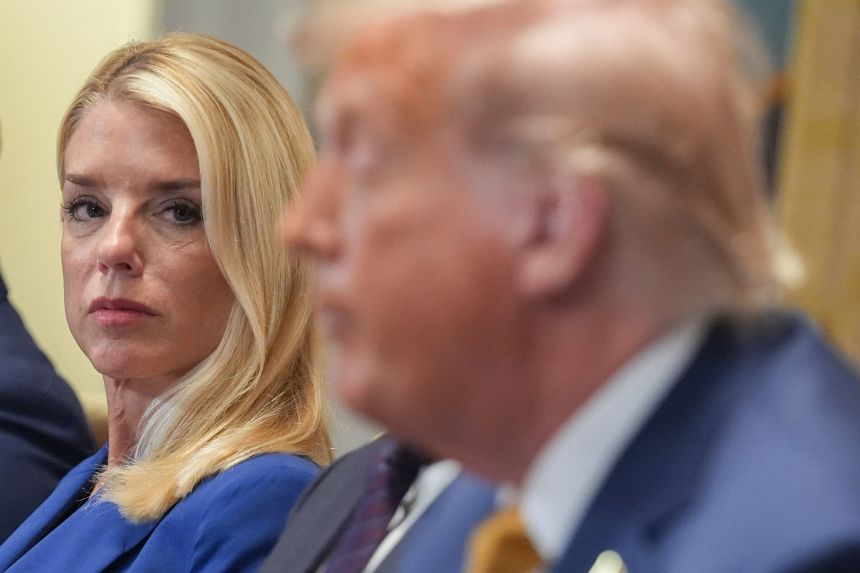
We are told—by Ghislaine Maxwell, from her prison cell; by former Attorney General Bill Barr, from his perch of authority; by Trump surrogate Pam Bondi, in her polished television appearances—that Donald Trump had nothing to do with Epstein’s crimes. “Don’t worry,” they say. “There’s nothing to see here.”
But here is the problem: it doesn’t matter how many people they trot out to say it. The public deserves to see the Epstein files for ourselves.
Epstein Wasn’t Acting Alone
Jeffrey Epstein’s crimes didn’t happen in a vacuum. He was not a shadowy predator operating in secret, unknown to those around him. He was a man whose wealth, charm, and connections allowed him to build a vast network that crossed political, cultural, and international boundaries.

Epstein cultivated powerful friends: former presidents, royal family members, academics, celebrities, billionaires. He owned lavish properties in New York, Palm Beach, and the Caribbean. He flew in private jets. He surrounded himself with the rich and famous.
When he was first investigated in the mid-2000s for abusing minors, the system failed spectacularly. Instead of a federal trial, Epstein secured one of the most shocking sweetheart deals in modern American history. He served just 13 months in a Palm Beach jail, much of it on “work release,” where he was allowed to leave during the day and return at night. His powerful allies remained untouched.
The public has never fully understood how that deal came to be, or who pressured whom. What we do know is that Alexander Acosta, the U.S. Attorney who approved the deal, later became Trump’s Secretary of Labor—until he was forced to resign once Epstein’s history came roaring back into the spotlight.
That was the first time the public was robbed of the truth.
The Death That Sparked Suspicion
When Epstein was arrested again in 2019 on federal sex trafficking charges, survivors thought the day of reckoning had finally come. But weeks later, Epstein was found dead in his cell at the Metropolitan Correctional Center in Manhattan.
The official ruling was suicide. But the circumstances made suspicion inevitable. Two guards on duty that night were said to have fallen asleep. The cameras in Epstein’s cellblock reportedly malfunctioned. Logs were falsified. Key details never added up.
Attorney General Bill Barr assured the public that he personally reviewed the case and saw no evidence of foul play. But Barr himself was a compromised messenger. His Department of Justice oversaw the very facility where Epstein died. His own father had once hired Epstein to teach at the Dalton School, despite Epstein lacking even a college degree.
Was Barr’s conclusion correct? Perhaps. But why should the public take him at his word? Trust, once broken, cannot be restored by fiat. And in the Epstein case, trust has been broken repeatedly.
The Chorus of Surrogates
When questions about Donald Trump’s ties to Epstein emerge, the same names appear to deliver the same message.
-
Ghislaine Maxwell, convicted for aiding Epstein in trafficking minors, insists that many stories about Epstein’s network are exaggerated. She has no credibility; she is serving a long prison sentence for her own role in enabling abuse. Every word she speaks now is filtered through her obvious desire for self-preservation.
-
Bill Barr, Trump’s loyal Attorney General, repeats that Epstein’s death was a suicide and that no foul play touched the powerful. But his reassurances ring hollow, precisely because of the institutional failures that occurred under his watch.
-
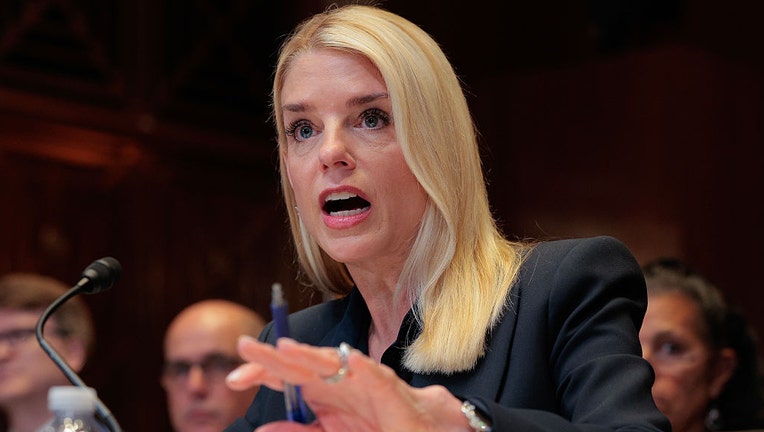
Pam Bondi, the former Florida Attorney General turned Trump defender, appears frequently in the media to declare that Trump had nothing to do with Epstein. Yet Florida was where Epstein received his infamous plea deal in the first place. Bondi’s words are less reassuring than they are a reminder of how deeply compromised Florida’s justice system was when it came to Epstein.
These figures are not independent, credible arbiters of truth. They are insiders, political loyalists, and convicted criminals. Their words should not be the final word.
The Trump Question
Donald Trump’s relationship with Epstein has been documented for decades. The two were photographed together multiple times in the 1990s and early 2000s. Trump once described Epstein as a “terrific guy” who “likes beautiful women as much as I do, and many of them are on the younger side.” Later, Trump distanced himself, claiming he had a “falling out” with Epstein and eventually banned him from Mar-a-Lago.
Is that the full story? Maybe. But again—why should the public rely on the word of Trump, or his allies, or convicted criminals like Maxwell? If Trump’s ties to Epstein were innocent, then the files would vindicate him. If they were not, then the public has a right to know.
The issue isn’t whether Trump is guilty or innocent. The issue is that secrecy breeds suspicion, and only transparency can restore trust.
Why Transparency Matters
The Epstein files—court documents, depositions, flight logs, testimonies—are not idle gossip. They are pieces of the puzzle that explain how one man was able to exploit young women for decades while institutions looked the other way.
Keeping them sealed or selectively releasing them only deepens cynicism. It signals that some names are too powerful to expose. It fuels conspiracy theories that flourish in the vacuum of official silence.
Transparency would not automatically convict anyone. It would provide evidence. It would allow journalists, researchers, and historians to sift fact from speculation. It would give survivors the dignity of seeing that truth matters more than reputations.
Patterns of Secrecy
Epstein is not the first case where the truth was buried under redactions. Time and again, the American public has been told to wait, to trust, to accept official reassurances. The Watergate cover-up, the CIA’s torture program, the withheld JFK assassination files, the Panama Papers—each example reminds us that secrecy rarely protects justice. It protects power.
The Epstein case is simply the most grotesque modern example.
Beyond Epstein
Even if the files were released tomorrow, the scandal isn’t just about Epstein, Maxwell, or Trump. It is about the system itself: a justice system that allowed a wealthy predator to evade accountability for decades. Prosecutors cut deals. Guards shirked duty. Politicians looked away.
If we allow secrecy to stand now, we guarantee it will happen again. Another Epstein will rise, protected by the same machinery of silence and power.
Conclusion: Release Them
The defenders of secrecy tell us to “move on.” They tell us to trust that the right people have reviewed the files. They tell us to believe Ghislaine Maxwell, Bill Barr, or Pam Bondi when they say Trump did nothing wrong.
But trust cannot be demanded. It must be earned. And in the Epstein case, it has been shattered beyond repair.
The public doesn’t need reassurances. We don’t need carefully worded press conferences or prison interviews. We don’t need Trump’s loyalists or Epstein’s accomplices to tell us what to think.
We need the files.
Not summaries. Not leaks. Not spin. The full, unredacted truth.
Because until that happens, every denial will only feed suspicion. Every reassurance will only deepen distrust. And every day the files remain hidden is another day that justice remains undone.
Release them.
